Water conditioning refers to water treatment systems designed to address common water problems—such as scale buildup, unpleasant taste, or odors—while keeping beneficial minerals in the water. Unlike water softeners, which remove calcium and magnesium through ion exchange, water conditioners typically alter how minerals behave so they’re less likely to stick to pipes, fixtures, and appliances.
In Fredericksburg and across the Texas Hill Country, water conditioning is often chosen by homeowners who want scale protection without adding sodium to their water. These systems can be especially helpful for reducing mineral buildup on faucets, showerheads, and inside water heaters, while maintaining a more natural mineral balance in the water.
At 72 Degrees Air Conditioning, Heating, and Plumbing, we help homeowners choose between water conditioning and softening based on local water quality, household needs, and plumbing goals. Learn more about our professional water quality solutions and how the right system can protect your home and improve everyday water use.
Softened water is treated to remove hard minerals like calcium and magnesium, but in most systems, those minerals are replaced with sodium. While this is beneficial for protecting plumbing and appliances, that added sodium can be problematic for plants—especially when used regularly for watering lawns, gardens, or indoor plants.
In Fredericksburg and across the Texas Hill Country, many homeowners rely on water softeners due to naturally hard water. When softened water is used on plants, sodium can build up in the soil, making it harder for roots to absorb water and nutrients. Over time, this can lead to poor growth, yellowing leaves, or even plant death. Sensitive plants and vegetable gardens tend to show damage first.
For this reason, it’s generally recommended to use untreated outdoor water spigots, rainwater, or bypassed water for irrigation. At 72 Degrees Air Conditioning, Heating, and Plumbing, we help homeowners set up water softener systems that protect plumbing while still supporting healthy landscaping. Learn more about our professional whole house water softener solutions and how to balance soft water benefits with outdoor needs.
A pressure vacuum breaker (PVB) is a critical backflow prevention device designed to keep polluted water from entering your home’s clean water lines. In many Fredericksburg and Texas Hill Country homes, PVBs are required for sprinkler systems, irrigation lines, and certain outdoor water connections where fertilizers, pesticides, or bacteria could be present.
Without a pressure vacuum breaker, sudden drops in water pressure—such as during a water main break or heavy system demand—can cause contaminated water to siphon backward into the potable water supply. This is known as backflow, and it can affect not just your home, but the broader municipal water system.
Local plumbing codes often require pressure vacuum breakers to be professionally installed and maintained to ensure proper protection. At 72 Degrees Air Conditioning, Heating, and Plumbing, we install and service pressure vacuum breakers to meet code requirements and safeguard Hill Country homes from backflow risks. Learn more about our expert backflow prevention services and how we help keep your water safe.
A water softener system treats hard water by removing excess minerals—primarily calcium and magnesium—that are common in Fredericksburg and throughout the Texas Hill Country. These minerals aren’t harmful to drink, but they cause scale buildup inside pipes, water heaters, faucets, and appliances, which can reduce efficiency and shorten equipment lifespan.
Most water softeners work through a process called ion exchange. As water flows through the system, hard minerals are captured and replaced with sodium or potassium ions, leaving the water “soft.” The system periodically regenerates itself using a brine solution, flushing trapped minerals safely down the drain.
For Hill Country homeowners, installing a water softener can lead to fewer plumbing repairs, better-performing water heaters, cleaner dishes, softer laundry, and less soap usage overall. At 72 Degrees Air Conditioning, Heating, and Plumbing, we install and service water softeners sized specifically for local water conditions and household needs. Learn more about our professional whole home water softener solutions and how treated water can protect your home long-term.
Heat pump pricing can vary widely because no two homes or systems are exactly alike. Several key factors have the biggest influence on overall cost.
System type plays a major role. Standard air-source heat pumps are generally more affordable than ductless systems or dual-fuel heat pump furnace setups. Each option comes with different equipment requirements, labor demands, and efficiency capabilities.
Home size and layout also matter. Larger homes typically need larger or multiple systems to maintain consistent temperatures, which increases both equipment and installation costs. Homes with open layouts, multiple stories, or older construction may require additional design considerations.
Efficiency ratings directly affect price. Heat pumps with higher SEER and HSPF ratings usually cost more upfront but can reduce long-term energy use. Lower-efficiency systems may be less expensive initially but often result in higher operating costs over time.
Existing ductwork and electrical systems are another major factor. Homes with properly sized, well-sealed ducts and adequate electrical capacity generally cost less to upgrade. If ducts are damaged, undersized, or poorly designed, replacement or modification adds to the total cost.
Replacing an existing heat pump is often more affordable than installing a brand-new system. In many replacement scenarios, the home already has compatible ductwork, refrigerant lines, and electrical connections, which helps control labor and material costs.
Replacement costs tend to increase when the existing system was improperly sized or installed. If airflow issues, comfort problems, or uneven temperatures are present, correcting those issues during replacement may raise the initial price but prevent ongoing performance problems.
New installations typically cost more because they may require new ducts, electrical upgrades, permits, or system design work. Homes transitioning from older heating systems often fall into this category.
While replacement can feel expensive, continuing to repair an aging or inefficient heat pump often leads to higher long-term costs and reliability issues.
A heat pump furnace system, also known as a dual-fuel system, combines a heat pump with a gas or propane furnace. These systems automatically switch between energy sources based on outdoor temperatures and efficiency needs.
Heat pump furnace systems usually cost more upfront due to added equipment and installation complexity. However, they can provide better performance in colder conditions while still offering energy savings during milder weather.
These systems often make sense for homeowners who want efficiency without sacrificing heating reliability during extreme temperatures. They are also useful in homes where a traditional furnace already exists and can be integrated into a hybrid setup.
Understanding whether a heat pump furnace is appropriate requires a professional assessment of climate conditions, fuel availability, and existing infrastructure.
Some heat pump costs are relatively minor and predictable. Straightforward replacements using the same system size and existing infrastructure typically fall into this category. These projects usually involve fewer surprises and shorter installation timelines.
More serious cost increases often indicate underlying issues. Common examples include deteriorating ductwork, insufficient electrical capacity, or systems that were never properly sized for the home. In these cases, the higher cost reflects necessary corrections rather than optional upgrades.
Switching from a furnace-only system to a heat pump can also increase costs, especially if electrical upgrades or duct modifications are required. While this may raise the initial investment, it often improves comfort, efficiency, and long-term reliability.
Upfront heat pump cost is only part of the overall financial picture. Energy usage, maintenance needs, and system lifespan all affect long-term value.
Efficient heat pumps typically use less energy, which can reduce monthly utility bills. Over time, these savings can offset a higher initial investment. Maintenance costs are generally predictable when systems are properly installed and serviced regularly.
System lifespan and warranty coverage also matter. A properly sized and installed heat pump can last 15 years or more, while installation shortcuts often lead to premature failure and higher repair costs.
Professional evaluation is important before replacing a working but inefficient system, especially if comfort issues already exist. Large price differences between quotes often indicate differences in system design, installation scope, or long-term performance expectations.
A professional assessment is especially important when switching system types, such as moving from a furnace to a heat pump or considering a heat pump furnace setup. These decisions affect comfort, energy use, and future maintenance costs.
Proper sizing, airflow evaluation, and electrical assessment help ensure the heat pump cost reflects real needs rather than guesswork, protecting both performance and long-term value.
We’re here to explain what is indoor air quality in simple terms, address common IAQ issues, and show how small changes can improve indoor air quality without complicating your routine. It’s about breathing easier, sleeping better, and keeping your HVAC system working the way it should.
What is indoor air quality? It’s the condition of the air inside your home or building and how it affects the people living or working there. Indoor air quality (IAQ) depends on what’s in the air, how well air moves through rooms, and how temperature and humidity are managed.
Key factors include:
Many contaminants are hard to see. That’s why simple monitoring, inspections, and routine HVAC checkups matter. With regular evaluations, you can spot IAQ issues early, confirm filtration is working, and keep a healthy indoor environment all year long.
Indoor air pollution often comes from everyday activities. Cleaning products, paint, cooking, and combustion appliances release gases and odors. Smoke, damp basements, new furniture, and outdoor pollutants sneaking in through small leaks also add up. Over time, these sources can create noticeable IAQ issues.
Ventilation is a big piece of the puzzle. Too little fresh air traps pollutants and odors. Balanced ventilation brings in outdoor air to dilute contaminants while protecting your heating and cooling costs. Energy recovery ventilators can help maintain clean air and steady comfort without wasting energy.
Humidity and temperature matter too. High humidity encourages mold and dust mites. Very low humidity dries skin and bothers sinuses. Keeping relative humidity between 30–50 percent and maintaining consistent temperatures supports comfort and helps filtration and purification systems perform their best.
Why is indoor air quality important for your health? Poor IAQ can cause headaches, fatigue, coughing, throat and eye irritation, dizziness, and allergy flare-ups. Long-term exposure increases the risk of asthma complications, chronic bronchitis, and cardiovascular strain. In severe cases, gases like carbon monoxide can be dangerous.
Children, older adults, folks with asthma or COPD, and anyone with allergies or weakened immune systems tend to feel the effects more. These groups benefit most from steady ventilation, effective filtration, and simple steps to improve indoor air quality each season.
Respiratory health ties directly to indoor air quality IAQ. Fine particles and biological contaminants can trigger inflammation and asthma attacks. VOCs and ozone can make lung function worse. Cleaner air reduces symptoms, supports better sleep, and helps you feel and function better throughout the day.
You don’t need a complicated setup to reduce indoor air pollution. Start with steady habits and basic system care:
Whole-home air purification built into your HVAC helps every room. Advanced filtration and purification capture fine particles, reduce VOCs, and neutralize many microbes—creating a healthier indoor environment for the entire home.
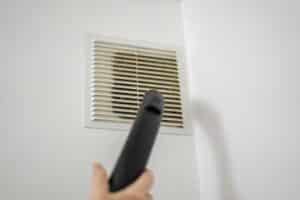
Regular HVAC maintenance matters. Professional tune-ups confirm airflow, check refrigerant and blower performance, clean coils, and verify safe combustion. A well-maintained system circulates cleaner air, removes humidity more effectively, and avoids contamination from dirty components. Routine care also improves efficiency and extends equipment life, making it easier to improve indoor air quality day in and day out.
Guests notice fresh, comfortable spaces right away. Better indoor air quality means fewer allergy issues, improved sleep, and rooms that smell clean—not covered up. That often leads to higher ratings and repeat bookings across the Hill Country.
Owners benefit too. Cleaner air reduces cleaning demands, protects furnishings and finishes from moisture damage, and helps prevent mold problems and IAQ issues. It also decreases complaints and supports compliance with local standards.
Our Care Club provides steady care with scheduled inspections, timely filter changes, coil cleanings, and IAQ checks. Consistent maintenance keeps systems efficient and helps ensure a reliable, healthy indoor environment for guests in every season.
Clean air supports productivity and morale. When employees deal with fewer headaches, allergies, and fatigue, they can focus and feel better. A healthy indoor environment helps teams stay comfortable and present.
Businesses also have codes and safety standards to consider. Proactive indoor air quality IAQ management helps prevent violations, protects occupants, and shows a commitment to well-being.
There are long-term savings, too. Healthier buildings often see fewer sick days, longer HVAC equipment life, reduced energy waste from optimized airflow, and fewer remediation expenses. Investments in ventilation, filtration, and preventive maintenance help reduce indoor air pollution and keep workspaces running smoothly.
72 Degrees Air Conditioning, Heating & Plumbing provides trusted IAQ testing and solutions across Central Texas. Our technicians evaluate contaminants, ventilation, and humidity, then build a plan that fits your space and budget. We’ll explain findings in clear terms and offer options that make sense for your home or business.
When you’re ready to improve indoor air quality—whether that means adjusting ventilation, installing purification, or repairing your HVAC—our team brings steady, experienced care. You’ll breathe easier and enjoy consistent comfort with work completed to code and backed by our long-standing reputation for reliable service.
If you’re asking why is indoor air quality important, we’re ready to help you answer it in your own space. Schedule an IAQ assessment today and let 72 Degrees create a healthier indoor environment for your home or workplace.
The cost to replace a water heater depends on several factors, including whether you choose a traditional tank water heater or a tankless system, the size of the unit, and the condition of your existing setup. In Fredericksburg and across the Texas Hill Country, replacement pricing usually includes the cost of the new water heater, professional installation, and any updates required to meet current plumbing or safety codes.
Tank water heaters are generally more affordable upfront, while tankless systems cost more initially but offer longer lifespans and improved energy efficiency. Additional costs can apply if venting, gas lines, electrical connections, or water lines need to be modified. Because every home is different, a professional evaluation helps ensure the system is sized correctly and installed safely. A clear assessment also helps homeowners decide whether a standard replacement or an upgrade makes the most sense for long-term reliability and value.
The price of a water heater varies based on the type of system and the needs of your home. Traditional tank water heaters are usually more affordable upfront, while tankless water heaters cost more but offer longer lifespans and higher energy efficiency. Size also matters—larger households require larger or higher-capacity units, which increases the price.
For homeowners in Fredericksburg and across the Texas Hill Country, choosing the right water heater isn’t just about cost—it’s about long-term performance and reliability. At 72 Degrees Texas, we help homeowners compare options, understand efficiency ratings, and select a system that fits both their hot water needs and their budget. Before any work begins, we provide clear, transparent pricing so there are no surprises during installation.
In many homes, furnace replacement is a straightforward process that can be completed within a single day. This includes removing the old unit, installing the new furnace, making necessary gas, electrical, and venting connections, and testing the system to ensure safe and proper operation. When the existing setup is compatible with the new equipment, downtime is kept to a minimum.
For homeowners in Fredericksburg and across the Texas Hill Country, factors like upgrading to a higher-efficiency furnace, modifying ductwork, or updating venting can add time to the process. Even then, professional planning and experienced technicians help keep the project moving efficiently. A well-coordinated replacement ensures your home stays comfortable and the new furnace is installed cleanly, safely, and ready to perform reliably.
Home insurance policies are designed to cover sudden, accidental damage, not the gradual aging of home systems. If a furnace fails because it’s old, inefficient, or worn out, replacement is typically considered a homeowner responsibility. However, if the furnace is damaged by a covered event—such as a house fire, severe storm, or flooding—insurance may help pay for repairs or replacement.
For homeowners in Fredericksburg and across the Texas Hill Country, it’s important to review your specific policy to understand what’s covered and what documentation may be required. In situations where insurance coverage may apply, professional service records and clear repair assessments can be helpful. Having accurate documentation makes it easier to work with your insurance provider and determine the next steps for restoring safe, reliable heat in your home.
The total cost of replacing a furnace depends on several key factors. Home size plays a major role, as larger homes require higher-capacity systems. The type of furnace you choose—such as standard or high-efficiency models—also affects pricing, along with features like variable-speed blowers or upgraded filtration. In some cases, existing ductwork or venting may need adjustments to support the new system, which can add to the overall cost.
For homeowners in Fredericksburg and across the Texas Hill Country, clear pricing and proper system selection are essential. A professional evaluation helps match the furnace to your comfort needs and budget while avoiding unnecessary upgrades. Upfront pricing ensures you know what to expect before work begins, helping you make an informed decision with confidence.
Tankless water heaters are often an excellent option for mobile homes, where space is limited and energy efficiency matters. Unlike traditional tank systems, tankless units heat water only when it’s needed, which helps reduce energy use and eliminates the risk of running out of hot water during daily routines.
For mobile homeowners in Fredericksburg and across the Texas Hill Country, proper sizing and installation are key to getting the most out of a tankless system. Electrical capacity, gas supply, and local code requirements all play a role in determining whether a tankless water heater is the right choice. With professional installation and ongoing maintenance, tankless systems can deliver reliable hot water while freeing up valuable space inside the home.