FAQ Tag: repair

Why Refrigerant Leaks Are a Serious Safety Issue, Not Just an AC Problem

Freon is a refrigerant used in air conditioning systems to absorb and release heat. Under normal conditions, it’s safely contained inside sealed HVAC equipment. However, if Freon leaks into an enclosed space, it can become hazardous. High levels of refrigerant can reduce the amount of oxygen in the air, leading to symptoms like dizziness, shortness of breath, confusion, and in extreme cases, loss of consciousness or death.

In homes across Fredericksburg and the Texas Hill Country, refrigerant exposure is rare, but it can happen if an AC system develops a significant leak—especially in garages, mechanical rooms, or other poorly ventilated areas. Smaller leaks may not be immediately dangerous but can still cause health symptoms and indicate a failing system that needs professional attention.

At 72 Degrees Air Conditioning, Heating, and Plumbing, we treat refrigerant issues as both a comfort and safety concern. If you notice chemical smells, hissing sounds near your AC, or unexplained health symptoms when your system is running, it’s important to have the system inspected promptly. Learn more about our professional air conditioning repair services and how we keep Hill Country homes safe and reliable.

The One Pipe That Keeps Waste Out of Your Home

The house sewer line is the primary connection between your home’s plumbing system and the city sewer or septic system. Every drain in your home—sinks, toilets, showers, washing machines—relies on this single line to safely move wastewater away from your property. In Fredericksburg and throughout the Texas Hill Country, many homes have aging sewer lines made from materials like clay or cast iron, which can be vulnerable to cracks, root intrusion, and corrosion over time.

When a sewer line starts to fail, the warning signs often show up slowly. Frequent clogs, gurgling drains, sewage odors, or water backing up into tubs or floor drains can all point to a deeper issue underground. Because the sewer line is buried, problems are often out of sight until they become disruptive and expensive.

At 72 Degrees Air Conditioning, Heating, and Plumbing, we help Hill Country homeowners diagnose sewer line issues early using professional inspections and proven repair options. Addressing sewer line problems promptly helps prevent damage to your home, protects your health, and avoids emergency situations. Learn more about our expert sewer services and how we keep wastewater flowing safely away from your home.

The Hidden Plumbing Device That Protects Your Home’s Water Supply

A pressure vacuum breaker (PVB) is a critical backflow prevention device designed to keep polluted water from entering your home’s clean water lines. In many Fredericksburg and Texas Hill Country homes, PVBs are required for sprinkler systems, irrigation lines, and certain outdoor water connections where fertilizers, pesticides, or bacteria could be present.

Without a pressure vacuum breaker, sudden drops in water pressure—such as during a water main break or heavy system demand—can cause contaminated water to siphon backward into the potable water supply. This is known as backflow, and it can affect not just your home, but the broader municipal water system.

Local plumbing codes often require pressure vacuum breakers to be professionally installed and maintained to ensure proper protection. At 72 Degrees Air Conditioning, Heating, and Plumbing, we install and service pressure vacuum breakers to meet code requirements and safeguard Hill Country homes from backflow risks. Learn more about our expert backflow prevention services and how we help keep your water safe.

What Really Happens to Your Plumbing During a Power Outage

In most Fredericksburg and Texas Hill Country homes, toilets will continue to work during a power outage because they don’t require electricity to flush. Standard toilets use gravity and water stored in the tank, so if your home still has running water, you can flush as normal.

However, there are a few important exceptions. Homes on private wells typically lose water pressure when the power goes out unless there’s a backup generator or stored water. Some modern plumbing systems, such as pressure-assisted toilets or homes with lift stations, may also be affected by extended outages. Additionally, if a power outage disrupts municipal water pumping or treatment for a prolonged period, local authorities may issue water use advisories.

If flushing becomes unreliable, it’s best to limit use to prevent clogs or backups. At 72 Degrees Air Conditioning, Heating, and Plumbing, we help Hill Country homeowners prepare for outages by inspecting plumbing systems, recommending backup solutions, and addressing water pressure concerns before they become emergencies. Learn more about our professional plumbing services and how we help keep your home functional when the lights go out.

When the Hill Country gets a hard freeze, we hear the same question from homeowners across Fredericksburg, Kerrville, and nearby towns: why do you keep cabinets open in winter? It’s a simple step with real benefits. Leaving cabinet doors open allows warm indoor air to reach the plumbing tucked behind and beneath sinks, especially where pipes run along exterior walls. That airflow helps reduce the chance of frozen pipes, leaks, and costly water damage.

Think of it as part of a smart winter routine. Does opening cabinets keep pipes from freezing on its own? It helps a lot, but it’s most effective when you pair it with steady heat, pipe insulation, and a slow drip during deep freezes. If you need a hand getting your home ready, 72 Degrees Air Conditioning, Heating, and Plumbing is here with friendly guidance and dependable service.

Why Preventing Frozen Pipes Matters

Frozen pipes aren’t just inconvenient. Water expands when it freezes, and that pressure can crack fittings or split a line. Even a small break can release hundreds of gallons, soaking cabinets, floors, and walls. Repairs after a freeze are stressful and expensive, and the damage can linger.

Prevention is straightforward and affordable. Opening cabinet doors, insulating exposed sections, keeping a steady indoor temperature, and letting faucets drip during hard freezes all lower your risk. Why open cabinets when cold? Because that warm room air needs a clear path to the colder spaces behind your sinks.

How Open Cabinets Protect Your Pipes

Under-sink areas often sit apart from a room’s heated air. Behind the doors, cold from exterior walls or crawl spaces can settle and drop temperatures around supply lines and traps. When you leave cabinet doors open, you let warm air circulate, balancing the temperature and reducing cold pockets.

Here’s what that looks like in practice:

  • Airflow around plumbing: Open cabinets in cold weather move warmth into hidden spaces that otherwise get chilly fast.
  • Temperature balance: A closed cabinet can act like a little icebox near an exterior wall. Opening it helps equalize the space with the room.
  • Real-world results: During Hill Country deep freezes, homeowners who kept cabinet doors open and maintained steady heat often avoided frozen lines, while neighbors with closed doors saw slow flow or blockages.

Does opening cabinets keep pipes from freezing completely? Not always, but it significantly cuts the risk. Why keep cabinets open in winter? Because it’s an easy, low-cost step that supports your heating system and insulation, especially overnight.

Know Your Home’s Vulnerable Spots

Some areas freeze faster than others. In our region, a kitchen sink on a north-facing exterior wall, a bathroom along the outside of the house, or laundry lines near a garage can be more vulnerable.

Check these common cold zones:

  • Kitchen and bathroom sinks on exterior walls.
  • Laundry rooms, garages, and basements with limited heating.
  • Cabinets above crawl spaces or near slab edges.
  • Attic runs and hose bib connections.

Watch for slow water flow, extra-cold cabinet interiors, frost on pipes, or metallic “pinging” sounds as lines expand and contract. If you’re not sure where your pipes run, do a quick walk-through: trace visible lines, note wall orientation, look for drafts near penetrations, and feel for cold air at the back of cabinets. 72 Degrees can perform a winter readiness check and point out specific vulnerabilities before the next cold front.

Layered Strategies for Winter Protection

Leaving cabinets open in winter is one smart move. To get the best results, combine it with a few more steps so water keeps moving and pipes stay protected when temperatures dip.

Try these proven tips:

  • Insulate exposed pipes and consider heat cable for problem areas. Follow manufacturer guidelines and check connections each season.
  • Maintain steady indoor heat during a freeze. Avoid big thermostat setbacks that let pipes cool too much.
  • Let faucets drip on vulnerable lines—especially on exterior walls—when the forecast calls for lows near 20°F or below. A slow drip helps prevent ice plugs.
  • Seal drafts around pipe penetrations with caulk or foam to block cold air.
  • Check unheated spaces like crawl spaces, garages, and attics. Close vents or add temporary insulation where it’s safe.
  • Do simple prep: disconnect garden hoses, protect hose bibs, and confirm shutoff valves work before a cold snap.

Still wondering why open cabinets when cold? Open cabinets in cold weather make it easier for the heat you’re already paying for to reach the spots that need it most.

What To Do If Pipes Freeze

If you turn on a tap and the flow slows or stops, act quickly. First, open cabinets to let warm air in. Raise your thermostat a few degrees and, if safe, use a space heater in the room, away from combustibles and under supervision. Never use an open flame on pipes. If you suspect a burst—you hear water behind walls, see pooling, or notice a sudden drop in pressure—turn off the main water supply and call for help.

Our team responds promptly. We’ll locate the freeze, thaw lines safely, repair damage, and help you put preventive measures in place so you’re better prepared next time.

Trusted Help Before, During, and After a Freeze

Why do you keep cabinets open in winter? Because it’s easy, effective, and part of a well-rounded plan. At 72 Degrees Air Conditioning, Heating, and Plumbing, we’ve helped Hill Country neighbors protect their homes through tough cold snaps since 1986. We answer questions like does opening cabinets keep pipes from freezing and why keep cabinets open in winter with clear, practical guidance — no jargon, just straightforward advice.

We offer seasonal checks, insulation upgrades, and fast support during freezes. Our licensed technicians provide honest assessments, careful workmanship, and calm, professional care. If you’re preparing ahead of a cold front or dealing with frozen lines, we’re here to help.

Have questions about leaving cabinets open in winter or how long to keep cabinet doors open during a freeze? Give 72 Degrees a call. We’ll walk you through what matters, keep it simple, and make sure your home is ready when temperatures drop.

If you’ve ever wondered why your home feels stuffy, allergies flare up, or rooms don’t smell as fresh as they should, you’re already asking the right question: why is indoor air quality important? We spend most of our time inside, so the air you breathe at home or work matters every day. Indoor air pollution, hidden moisture, and weak ventilation can all chip away at comfort and health. At 72 Degrees Air Conditioning, Heating & Plumbing, we help our neighbors create a healthy indoor environment with practical steps and dependable service that fit Central Texas life.

We’re here to explain what is indoor air quality in simple terms, address common IAQ issues, and show how small changes can improve indoor air quality without complicating your routine. It’s about breathing easier, sleeping better, and keeping your HVAC system working the way it should.

Understanding Indoor Air Quality

What is indoor air quality? It’s the condition of the air inside your home or building and how it affects the people living or working there. Indoor air quality (IAQ) depends on what’s in the air, how well air moves through rooms, and how temperature and humidity are managed.

Key factors include:

  • Particulates like dust, pollen, and pet dander
  • Biologicals such as mold spores and bacteria
  • Gases, including volatile organic compounds (VOCs) and carbon monoxide
  • Ventilation and airflow through the space
  • Humidity and temperature balance

Many contaminants are hard to see. That’s why simple monitoring, inspections, and routine HVAC checkups matter. With regular evaluations, you can spot IAQ issues early, confirm filtration is working, and keep a healthy indoor environment all year long.

Common Causes of Indoor Air Problems

Indoor air pollution often comes from everyday activities. Cleaning products, paint, cooking, and combustion appliances release gases and odors. Smoke, damp basements, new furniture, and outdoor pollutants sneaking in through small leaks also add up. Over time, these sources can create noticeable IAQ issues.

Ventilation is a big piece of the puzzle. Too little fresh air traps pollutants and odors. Balanced ventilation brings in outdoor air to dilute contaminants while protecting your heating and cooling costs. Energy recovery ventilators can help maintain clean air and steady comfort without wasting energy.

Humidity and temperature matter too. High humidity encourages mold and dust mites. Very low humidity dries skin and bothers sinuses. Keeping relative humidity between 30–50 percent and maintaining consistent temperatures supports comfort and helps filtration and purification systems perform their best.

Health Effects of Poor Indoor Air Quality

Why is indoor air quality important for your health? Poor IAQ can cause headaches, fatigue, coughing, throat and eye irritation, dizziness, and allergy flare-ups. Long-term exposure increases the risk of asthma complications, chronic bronchitis, and cardiovascular strain. In severe cases, gases like carbon monoxide can be dangerous.

Children, older adults, folks with asthma or COPD, and anyone with allergies or weakened immune systems tend to feel the effects more. These groups benefit most from steady ventilation, effective filtration, and simple steps to improve indoor air quality each season.

Respiratory health ties directly to indoor air quality IAQ. Fine particles and biological contaminants can trigger inflammation and asthma attacks. VOCs and ozone can make lung function worse. Cleaner air reduces symptoms, supports better sleep, and helps you feel and function better throughout the day.

Improving Indoor Air Quality at Home

You don’t need a complicated setup to reduce indoor air pollution. Start with steady habits and basic system care:

  • Replace HVAC filters every 30–90 days, more often with pets or allergies
  • Run kitchen and bathroom exhaust fans when cooking or showering
  • Seal air leaks around doors, windows, and utility penetrations
  • Dust regularly and vacuum with HEPA filtration
  • Control moisture with dehumidifiers and fix water leaks quickly

Whole-home air purification built into your HVAC helps every room. Advanced filtration and purification capture fine particles, reduce VOCs, and neutralize many microbes—creating a healthier indoor environment for the entire home.
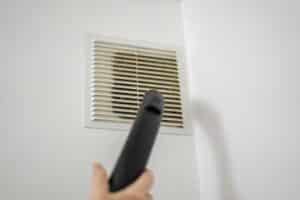
A person using a vacuum cleaner extension to clean the air vents on the wall

Regular HVAC maintenance matters. Professional tune-ups confirm airflow, check refrigerant and blower performance, clean coils, and verify safe combustion. A well-maintained system circulates cleaner air, removes humidity more effectively, and avoids contamination from dirty components. Routine care also improves efficiency and extends equipment life, making it easier to improve indoor air quality day in and day out.

Indoor Air Quality for Short-Term Rentals

Guests notice fresh, comfortable spaces right away. Better indoor air quality means fewer allergy issues, improved sleep, and rooms that smell clean—not covered up. That often leads to higher ratings and repeat bookings across the Hill Country.

Owners benefit too. Cleaner air reduces cleaning demands, protects furnishings and finishes from moisture damage, and helps prevent mold problems and IAQ issues. It also decreases complaints and supports compliance with local standards.

Our Care Club provides steady care with scheduled inspections, timely filter changes, coil cleanings, and IAQ checks. Consistent maintenance keeps systems efficient and helps ensure a reliable, healthy indoor environment for guests in every season.

Why Indoor Air Quality Matters at Work

Clean air supports productivity and morale. When employees deal with fewer headaches, allergies, and fatigue, they can focus and feel better. A healthy indoor environment helps teams stay comfortable and present.

Businesses also have codes and safety standards to consider. Proactive indoor air quality IAQ management helps prevent violations, protects occupants, and shows a commitment to well-being.

There are long-term savings, too. Healthier buildings often see fewer sick days, longer HVAC equipment life, reduced energy waste from optimized airflow, and fewer remediation expenses. Investments in ventilation, filtration, and preventive maintenance help reduce indoor air pollution and keep workspaces running smoothly.

Get Indoor Air Quality Testing

72 Degrees Air Conditioning, Heating & Plumbing provides trusted IAQ testing and solutions across Central Texas. Our technicians evaluate contaminants, ventilation, and humidity, then build a plan that fits your space and budget. We’ll explain findings in clear terms and offer options that make sense for your home or business.

When you’re ready to improve indoor air quality—whether that means adjusting ventilation, installing purification, or repairing your HVAC—our team brings steady, experienced care. You’ll breathe easier and enjoy consistent comfort with work completed to code and backed by our long-standing reputation for reliable service.

If you’re asking why is indoor air quality important, we’re ready to help you answer it in your own space. Schedule an IAQ assessment today and let 72 Degrees create a healthier indoor environment for your home or workplace.

Emergency Help When a Burst Pipe Can’t Wait

A burst pipe is a true plumbing emergency that can cause rapid water damage if it isn’t addressed right away. That’s why 72 Degrees Air Conditioning, Heating, and Plumbing offers 24/7 call center support, so homeowners in Fredericksburg and across the Texas Hill Country can reach a real person any time of day or night when a pipe bursts.

Our plumbers are available seven days a week, including weekends, to respond to urgent situations and stop the leak before it causes further damage to your home. From isolating the water source to making professional repairs, our goal is to restore safety and prevent long-term issues like mold, structural damage, or repeat leaks. When a pipe bursts, having a trusted local team ready to respond makes all the difference.

What Really Affects the Cost of Burst Pipe Repairs

The cost to fix a burst pipe depends on several key factors, including where the pipe is located, how easy it is to access, and how much damage the leak has already caused. In many Fredericksburg and Texas Hill Country homes, a burst pipe in an open area like a garage or under a sink is usually faster and less expensive to repair than a pipe behind walls, under floors, or buried underground.

Repair costs can also increase if the burst pipe leads to water damage, mold risk, or the need for additional restoration work. Because every situation is different, the most accurate way to determine cost is through an on-site inspection. At 72 Degrees Air Conditioning, Heating, and Plumbing, we provide clear, upfront pricing after evaluating the problem, so homeowners know what to expect before any repairs begin.

Why a Burst Pipe Doesn’t Always Mean a Full Replacement

In many cases, a burst pipe can be repaired without replacing the entire plumbing line. The right solution depends on where the pipe is located, how severe the break is, and what caused it to burst in the first place. For example, a small crack or split in an accessible section of pipe can often be repaired by replacing just that section.

In Fredericksburg and throughout the Texas Hill Country, older homes may have pipes made from materials that are more prone to corrosion or freezing damage. If a pipe has burst due to age, repeated stress, or widespread deterioration, a larger section—or even a full line—may need to be replaced to prevent future failures. At 72 Degrees Air Conditioning, Heating, and Plumbing, our plumbers assess the cause and location of the burst and use professional-grade tools and fittings to restore the system safely and reliably.

The Common Causes Behind Sudden Pipe Failures/h2>
Pipes burst when internal pressure becomes greater than the pipe can handle. Freezing temperatures are one of the most common causes, especially when water inside the pipe freezes and expands, creating stress that can crack or split the pipe. When the ice thaws, water rushes through the damaged area, often causing sudden flooding.

In Fredericksburg and across the Texas Hill Country, pipes can also burst due to age and corrosion, particularly in older homes with galvanized or aging copper lines. High water pressure can gradually weaken pipes over time, while physical damage from shifting foundations, construction work, or impacts can lead to unexpected failures. Once a pipe is compromised, even normal water flow can cause it to rupture and release large amounts of water into the home.

The First Steps That Can Limit Damage After a Burst Pipe

A burst pipe can release a large amount of water in a very short time, so acting quickly is critical. The first step is to shut off your home’s main water valve to stop the flow and prevent additional flooding. If water is near electrical outlets, appliances, or panels, turning off power to the affected areas helps reduce safety risks.

Once the water is off and it’s safe, try to contain or remove standing water using towels, buckets, or a wet vacuum to limit damage to floors, walls, and belongings. In Fredericksburg and throughout the Texas Hill Country, calling a licensed plumber as soon as possible is essential to prevent further issues like mold growth or structural damage. 72 Degrees Air Conditioning, Heating, and Plumbing offers emergency plumbing service to respond quickly, locate the damaged pipe, and restore your plumbing system safely.

Why Water Around Your Water Heater Shouldn’t Be Ignored

If you notice water pooling or leaking around the base of your water heater, it’s a clear warning sign that something isn’t right. In many cases, this happens when the tank begins to corrode from the inside or develops small cracks that allow water to escape. Because water heaters are under constant pressure, these issues tend to worsen over time rather than resolve on their own.

For homeowners in Fredericksburg and across the Texas Hill Country, a leaking water heater often signals that the unit is nearing the end of its lifespan. Ignoring the problem can lead to sudden tank failure, water damage to floors and walls, and potential mold growth. Addressing the issue early helps prevent larger, more costly repairs. That’s why fast, professional evaluation and replacement are key when water starts collecting beneath a water heater.

Call or Schedule Your Service Online!

Need Help? Get the Best in Home Services.