We’re here to explain what is indoor air quality in simple terms, address common IAQ issues, and show how small changes can improve indoor air quality without complicating your routine. It’s about breathing easier, sleeping better, and keeping your HVAC system working the way it should.
What is indoor air quality? It’s the condition of the air inside your home or building and how it affects the people living or working there. Indoor air quality (IAQ) depends on what’s in the air, how well air moves through rooms, and how temperature and humidity are managed.
Key factors include:
Many contaminants are hard to see. That’s why simple monitoring, inspections, and routine HVAC checkups matter. With regular evaluations, you can spot IAQ issues early, confirm filtration is working, and keep a healthy indoor environment all year long.
Indoor air pollution often comes from everyday activities. Cleaning products, paint, cooking, and combustion appliances release gases and odors. Smoke, damp basements, new furniture, and outdoor pollutants sneaking in through small leaks also add up. Over time, these sources can create noticeable IAQ issues.
Ventilation is a big piece of the puzzle. Too little fresh air traps pollutants and odors. Balanced ventilation brings in outdoor air to dilute contaminants while protecting your heating and cooling costs. Energy recovery ventilators can help maintain clean air and steady comfort without wasting energy.
Humidity and temperature matter too. High humidity encourages mold and dust mites. Very low humidity dries skin and bothers sinuses. Keeping relative humidity between 30–50 percent and maintaining consistent temperatures supports comfort and helps filtration and purification systems perform their best.
Why is indoor air quality important for your health? Poor IAQ can cause headaches, fatigue, coughing, throat and eye irritation, dizziness, and allergy flare-ups. Long-term exposure increases the risk of asthma complications, chronic bronchitis, and cardiovascular strain. In severe cases, gases like carbon monoxide can be dangerous.
Children, older adults, folks with asthma or COPD, and anyone with allergies or weakened immune systems tend to feel the effects more. These groups benefit most from steady ventilation, effective filtration, and simple steps to improve indoor air quality each season.
Respiratory health ties directly to indoor air quality IAQ. Fine particles and biological contaminants can trigger inflammation and asthma attacks. VOCs and ozone can make lung function worse. Cleaner air reduces symptoms, supports better sleep, and helps you feel and function better throughout the day.
You don’t need a complicated setup to reduce indoor air pollution. Start with steady habits and basic system care:
Whole-home air purification built into your HVAC helps every room. Advanced filtration and purification capture fine particles, reduce VOCs, and neutralize many microbes—creating a healthier indoor environment for the entire home.
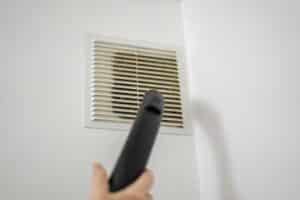
Regular HVAC maintenance matters. Professional tune-ups confirm airflow, check refrigerant and blower performance, clean coils, and verify safe combustion. A well-maintained system circulates cleaner air, removes humidity more effectively, and avoids contamination from dirty components. Routine care also improves efficiency and extends equipment life, making it easier to improve indoor air quality day in and day out.
Guests notice fresh, comfortable spaces right away. Better indoor air quality means fewer allergy issues, improved sleep, and rooms that smell clean—not covered up. That often leads to higher ratings and repeat bookings across the Hill Country.
Owners benefit too. Cleaner air reduces cleaning demands, protects furnishings and finishes from moisture damage, and helps prevent mold problems and IAQ issues. It also decreases complaints and supports compliance with local standards.
Our Care Club provides steady care with scheduled inspections, timely filter changes, coil cleanings, and IAQ checks. Consistent maintenance keeps systems efficient and helps ensure a reliable, healthy indoor environment for guests in every season.
Clean air supports productivity and morale. When employees deal with fewer headaches, allergies, and fatigue, they can focus and feel better. A healthy indoor environment helps teams stay comfortable and present.
Businesses also have codes and safety standards to consider. Proactive indoor air quality IAQ management helps prevent violations, protects occupants, and shows a commitment to well-being.
There are long-term savings, too. Healthier buildings often see fewer sick days, longer HVAC equipment life, reduced energy waste from optimized airflow, and fewer remediation expenses. Investments in ventilation, filtration, and preventive maintenance help reduce indoor air pollution and keep workspaces running smoothly.
72 Degrees Air Conditioning, Heating & Plumbing provides trusted IAQ testing and solutions across Central Texas. Our technicians evaluate contaminants, ventilation, and humidity, then build a plan that fits your space and budget. We’ll explain findings in clear terms and offer options that make sense for your home or business.
When you’re ready to improve indoor air quality—whether that means adjusting ventilation, installing purification, or repairing your HVAC—our team brings steady, experienced care. You’ll breathe easier and enjoy consistent comfort with work completed to code and backed by our long-standing reputation for reliable service.
If you’re asking why is indoor air quality important, we’re ready to help you answer it in your own space. Schedule an IAQ assessment today and let 72 Degrees create a healthier indoor environment for your home or workplace.